St Patrick’s Day Coloring Cards: A Designer’s Perspective
As an experienced embroidery designer and product reviewer, I often find myself evaluating digital designs not just for their visual appeal but also for how well they translate into real-world applications. When I first opened the St Patrick’s Day Coloring Cards, I was drawn to its playful yet elegant layout. The design is clearly intended for a craft business audience—especially those using Cricut or Silhouette machines to create printable and cuttable projects. But what does this mean for someone like me, who wants to use it in actual handmade products or commercial embroidery?
First Impressions and Design Mood
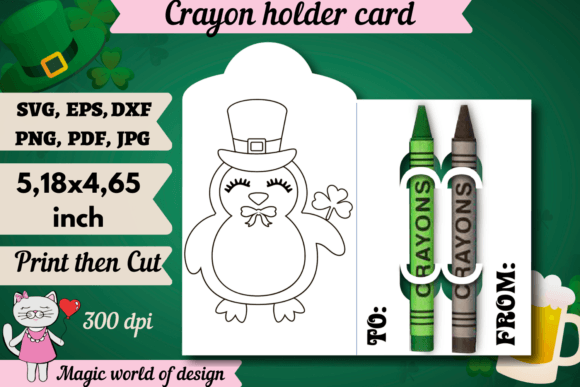
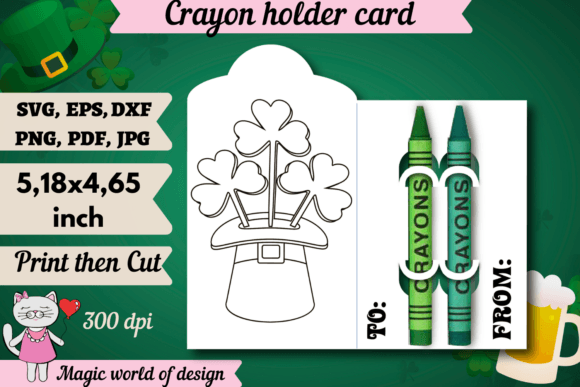
The St Patrick’s Day Coloring Card has a whimsical, festive feel with a clean aesthetic that makes it stand out from typical holiday graphics. Its dimensions (5.18 x 4.65 inches) suggest it's sized perfectly for small cards, tags, or embellishments rather than large-scale apparel. The overall theme blends traditional St. Patrick’s Day elements like shamrocks and clovers with a modern coloring twist, giving it broad appeal across age groups and crafting purposes.
I immediately noticed how the design balances detail without overwhelming the eye. This is important when considering how it might look after being stitched or printed. The lines are crisp, and the spacing between elements allows for flexibility in customization—something that hobbyists and small shop owners will appreciate.
Real-World Embroidery Applications
While the St Patrick’s Day Coloring Card isn’t designed for direct embroidery, its adaptability makes it a great starting point for creating personalized gift items or promotional materials for your craft business. Here’s how it can fit naturally into various projects:
- Custom Apparel: If you're planning a themed sweatshirt or tote bag for a St. Patrick’s Day event, consider converting the card’s key elements into an applique design. The bold outlines and recognizable symbols work well as satin stitch or fill stitch patterns.
- Baby Items: For a more subdued version, the simple clover shapes could be reworked into a soft, pastel-themed baby embroidery project, such as a nursery sign or embroidered onesie. It maintains the holiday spirit while feeling gentle and appropriate for young children.
- Party Treats and Tags: Since the product description mentions making party treats and gifts, I see potential in using the design as part of printable tags or packaging labels. These can be laser-cut or heat-pressed onto fabric toppers for cookies, cupcakes, or small favor boxes.
- Embroidered Patches: The compact size and clear structure make it ideal for turning into an embroidered patch. Whether for caps, backpacks, or denim jackets, the design adds charm without being too busy.
- Tea Towels and Pillows: If you’re an Etsy seller or run a boutique line of home goods, this design could be used on tea towels, pillow covers, or aprons. The flat lay format works especially well for decorative stitching or iron-on vinyl transfers.
Customer Reaction and Project Suitability
In my experience, customers love designs that feel both personal and professional. The St Patrick’s Day Coloring Card walks that line well—it’s fun enough for kids' crafts but polished enough for adult-oriented handmade products. However, it’s important to note that the design may not suit every project type due to its original intent as a printable and cuttable item rather than a full embroidery file.
If you plan to embroider any part of it, you’ll need to extract and modify the relevant sections. For instance, isolating the central motif and simplifying it for machine embroidery could yield excellent results on custom t-shirts or hats. Just be sure to review the stitch density and thread color contrast before finalizing your setup.
Where to Use with Caution
Not all projects are equal, and some fabrics or formats won’t do justice to the St Patrick’s Day Coloring Card. Here are a few areas where careful consideration is needed:
- Small Hoop Sizes: Given the intricate nature of some of the details, especially around the edges and corners, this design may require extra attention if resized for smaller hoops. Always test on scrap fabric to ensure clarity.
- Textured Fabrics: On canvas or heavy knit materials, the fine linework might not stitch cleanly. Smooth woven cotton or linen would be better choices.
- Stretchy or Thin Fabric: Delicate or stretchy materials like rayon or spandex can distort during the cutting or embroidery process, affecting the final look. Consider using a stabilizer or adjusting tension settings accordingly.
- Dark Fabric Backgrounds: The design doesn’t include thread color suggestions, so it’s crucial to evaluate how well it shows up against darker surfaces. Using light-colored threads or white underlay stitches could help.
- Curved Surfaces: While the design looks great on flat surfaces, applying it to curved items like caps or mugs requires additional formatting. You may need to adjust the shape or use specialized software to wrap the image properly.
Design Impact on Your Craft Business
A well-executed version of the St Patrick’s Day Coloring Card can significantly enhance the visual appeal of your handmade products. Its structured layout and familiar motifs lend themselves to strong brand recognition, especially if you're selling seasonal items or running a boutique-style store.
From a customer trust perspective, using a professionally sourced design signals quality. Even though the product itself is a printable graphic, adapting it thoughtfully for embroidery can elevate your finished product from DIY to designer. That said, always inspect the design closely for tiny lettering or dense stitch areas that might compromise clarity or durability, particularly in items like tote bags or kitchen towels that undergo frequent use and washing.
Designer Notes for Practical Use
Before integrating the St Patrick’s Day Coloring Card into your embroidery workflow, here are some practical tips to keep in mind:
- Test First: Print or digitize a sample and test it on scrap fabric. This helps identify any issues with scale, stitch definition, or alignment.
- Check Thread Color Contrast: Ensure your chosen thread colors pop against the fabric you plan to use. A black-and-white mockup can be incredibly helpful in this step.
- Review Stitch Density: High-density areas may cause puckering or distortion. Adjust your stitch count or spacing based on the fabric texture and hoop size.
- Confirm Licensing: If you plan to sell finished items or digital embroidery files, double-check the licensing terms. Many free designs come with restrictions, and it's vital to stay compliant to protect your business.
- Use Proper Stabilizer: Especially for delicate fabrics or detailed embroidery, a good stabilizer is essential to prevent shifting or tearing during the stitching process.
Adapting the Design for Embroidery Projects
One of the strengths of the St Patrick’s Day Coloring Card is its versatility. By extracting the main iconography—like the clover or leprechaun—you can easily transform it into a standalone embroidery file suitable for multiple projects. For example, a simplified clover motif would work beautifully on a sweatshirt as a single-color satin stitch or as part of a layered applique design.
When modifying for commercial embroidery, I recommend keeping the core design intact but adding subtle variations to suit different fabric types and garment styles. For instance, a slightly larger version with running stitch outlines could be adapted for a tote bag, while a smaller, denser version might be better suited for a handmade product like a mug sleeve or embroidered patch.
Final Thoughts for Crafters and Sellers
Overall, the St Patrick’s Day Coloring Card offers a solid foundation for creative expression. As a graphics-based product, it’s most effective in printables, but with thoughtful adaptation, it can also serve as a valuable asset in your embroidery toolkit.
For hobbyists, it's a great way to add a festive touch to school projects or trick-or-treat gifts. For Etsy sellers and small shop product creators, it presents an opportunity to develop unique seasonal offerings that resonate with buyers looking for something special. Just remember to treat it as a design asset rather than a ready-to-stitch solution, and take the time to tailor it for your specific needs.
Whether you're preparing for a St. Patrick’s Day sale, creating personalized gifts, or simply exploring new design possibilities, this product encourages creativity while maintaining a professional edge. As long as you approach it with a critical eye and a bit of design know-how, the St Patrick’s Day Coloring Card can become a valuable addition to your craft business inventory.