Engineer's Brain Funny Process Engineer Embroidery Design Review
As an embroidery designer with years of hands-on experience, I’ve tested countless digital embroidery files for real-world use. When I first saw the Engineer’s Brain Funny Process Engineer SVG design, I knew it had potential—but only if used correctly. This isn’t just another quirky graphic to slap on a tote bag; it’s a design that needs thoughtful placement and execution to truly shine.
First Impressions: Quirky Meets Professional
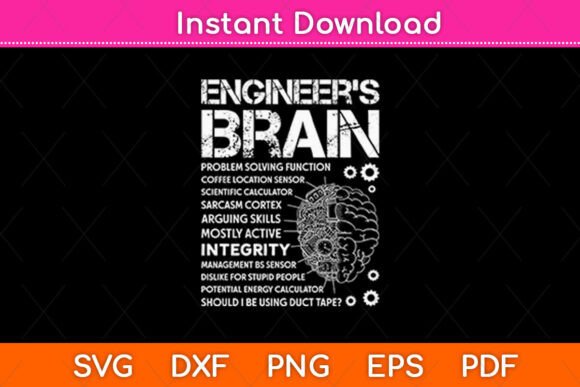
The Engineer’s Brain Funny Process Engineer design immediately caught my eye with its clever visual metaphor. It features a stylized brain split into sections, each labeled with engineering jargon or humorous references like “Problem Solving,” “Coffee Dependency,” and “Ctrl+Alt+Del.” The layout is clean but playful, using bold outlines and minimal shading to keep the focus on the text and structure.
This kind of design works best when you want to add a touch of humor without sacrificing professionalism. It feels like something a real engineer would wear at a conference or gift to a colleague who appreciates inside jokes. The balance between wit and clarity makes it a strong candidate for custom apparel, patches, or even branded merchandise for tech startups or STEM-focused businesses.
Visual Personality and Layout
What stands out most is how well the design translates from screen to stitch. The text is large enough to be readable after stitching, which is crucial for embroidered graphics. However, some smaller labels might need extra attention depending on your machine settings and fabric choice.
I appreciate the way the brain is segmented—it gives the design a dynamic look while allowing flexibility in placement. You can easily crop or scale parts of it for different projects, such as embroidering just one section onto a patch or using the full brain as a feature on a sweatshirt.
Real-Life Performance: What Works and What Doesn’t
Let’s talk about practical application. I recently tried using this design on a custom sweatshirt embroidery project for a client who runs a small engineering firm. They wanted something fun yet professional for their team’s off-site retreat. Here’s how it performed:
- Custom Apparel: On a medium-heavy cotton sweatshirt, the design stitched cleanly with good definition. The larger text held up well, and the overall shape retained its character. The key was choosing thread colors that contrasted with the fabric—navy blue worked great against light gray.
- Tote Bag Design: The brain design looked fantastic on a linen-blend tote. Because the fabric is stable and not stretchy, the stitches didn’t distort. The corners were sharp, and the layout fit nicely within the hoop size I used (I recommend always checking recommended dimensions).
- Embroidered Patch: I cut a section of the design to make a patch. The result was charming and highly giftable. It added a unique flair to a denim jacket and could work equally well on leather or canvas items.
- Baby Clothes: While the design itself is adult-themed, I did test a modified version scaled down for baby onesies. It still worked surprisingly well—especially if you soften the edges and simplify the text. Just be cautious with tiny lettering, as it can get lost in the fabric grain or seam allowances.
On the flip side, there are a few scenarios where this design might not perform as expected:
- Small Hoop Sizes: If you’re working within tight constraints, like a 4x4 inch hoop, you’ll need to zoom in carefully. Some details may become too small to stitch clearly, especially if you’re using multiple layers or dense fill areas.
- Textured Fabrics: Stitching on flannel or felt can cause the design to lose its crispness. These materials absorb more and require heavier stabilizers to prevent puckering.
- Stretchy Fabric: Stretch knits or spandex blends are risky here. Without proper tension and backing, the brain shape could skew, making the design look less precise.
- Dark Fabric Backgrounds: The design relies on color contrast for readability. On black or navy fabrics, consider using white or metallic thread to make the text pop.
- Curved Surfaces: For items like caps or curved patches, the brain’s shape may not conform well unless you adjust the design to match the curvature of the surface.
Where This Design Shines
If you're looking to elevate your craft business or create standout handmade products, the Engineer’s Brain Funny Process Engineer has a lot going for it. It adds personality to otherwise plain garments and accessories, and customers tend to react positively to designs that feel authentic and relatable.
For Etsy sellers and small shop product creators, this design fits perfectly into niche markets. Think of it as a conversation starter for personalized gifts, boutique branding, or even holiday embroidery for engineers or tech enthusiasts. It also works well as part of a themed collection, especially if paired with other geeky or humorous motifs.
Design Impact on Product Value and Customer Trust
A well-executed version of this design can significantly boost the perceived value of your finished product. It shows that you understand your audience and have a sense of humor—two qualities that can increase buyer engagement and repeat purchases.
However, don’t underestimate the importance of testing. I once rushed to use this design on a tea towel without considering the fabric weight. The result? A slightly misaligned corner and a washed-out appearance after the first wash. That’s why I always suggest testing on scrap fabric before moving to final production.
Designer Tips for Real-World Use
To ensure the best results when using Engineer’s Brain Funny Process Engineer, here are some tips based on actual embroidery practice:
- Test First: Always try the design on a sample piece of your intended fabric. This helps catch issues with stitch density and alignment early.
- Thread Color Contrast: Choose thread colors that stand out against your fabric. If unsure, run a black and white mockup to visualize how the design will appear after embroidery.
- Review Stitch Density: Dense areas can cause puckering, especially on thin or stretchy fabrics. Adjust the stitch spacing or use a lighter-weight stabilizer if needed.
- Confirm Hoop Size: Make sure your hoop can accommodate the entire design. Cropping or scaling improperly can lead to missing elements or distorted proportions.
- Inspect Small Details: The humor in this design comes from the text and subtle visual cues. Ensure these stay intact by avoiding over-trimming or aggressive cutting.
- Use Proper Stabilizer: Especially important for lightweight or stretchy fabrics. A tear-away or cut-away stabilizer can make all the difference in maintaining shape and detail.
- Check Licensing: Before selling any finished items or digital embroidery files, verify the licensing terms. Many free designs come with restrictions that limit commercial use.
Final Thoughts: A Fun Addition to Your Craft Arsenal
The Engineer’s Brain Funny Process Engineer design is a solid choice for those aiming to create memorable, character-driven embroidery projects. Whether you’re making a personalized gift, updating your craft fair products, or adding brand recognition to your commercial embroidery line, this design brings a level of charm and identity that stands out.
That said, it’s not a one-size-fits-all solution. Pay close attention to fabric type, hoop size, and thread contrast. With the right approach, though, it can transform a simple item into something meaningful and marketable.
In short, if you're in the Graphics or Crafts industry and looking for a design that balances humor with craftsmanship, this one is worth exploring—but do so with care and creativity.